
Morgridge Hall, Seminar Room, 7th floor
1205 University Ave
Social genomics researchers from across the world convene at the University of Wisconsin–Madison each year to discuss advances in the field.
This conference showcases scholarship that considers biodemographic factors across the life course that shape health and aging processes. We are particularly interested in examining “real world” applications of PGS, work focusing on heterogeneous genetic effects, and/or work featuring LLM/AI integration with social genomics.
Support is provided by the National Institute of Aging, La Follette School for Public Affairs, and Initiative in Social Genomics.

On this page
Schedule
This is an accordion element with a series of buttons that open and close related content panels.
Thursday, May 14
Networking Breakfast at Morgridge Hall
8:30 – 9 a.m.
Paper Session 1
Families
9 – 10 a.m.
Break
10 – 10:15 a.m.
Flash Session 1
DNAm and Advances
10:15 – 11 a.m.
Poster Discussion and Break
11 – 11:45 a.m.
Networking Lunch
11:45 a.m. – 1 p.m.
Flash Session 2
Education & Families
1 – 1:45 p.m.
Poster Discussion and Break
1:45 – 2:30 p.m.
Paper Session 2
Methods
2:30 – 3:30 p.m.
Break
3:30 – 3:45 p.m.
Keynote and Q&A
Allison Aiello
3:45 – 4:30 p.m.
Gathering
Memorial Union Terrace
4:30 p.m.
Networking Dinner
Coopers Tavern (20 W. Mifflin)
6 p.m.
RSVP to attend
Friday, May 15
Networking Breakfast at Morgridge Hall
8:30 – 9 a.m.
Paper Session 3
Education
9 – 10 a.m.
Break
10 – 10:30 a.m.
Paper Session 4
Science
10:30 – 11:30 a.m.
Break
11:30 a.m. – 12 p.m.
Lunch and Keynote
Shai Carmi
12 – 1:30 p.m.
Keynotes
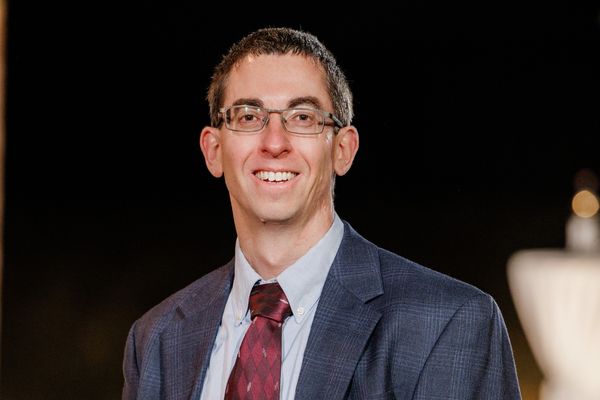
Shai Carmi
Dr. Carmi's research on preimplantation genetic testing (PGT) focuses on evaluating epidemiological, clinical, and ethical aspects of PGT for polygenic diseases and traits.
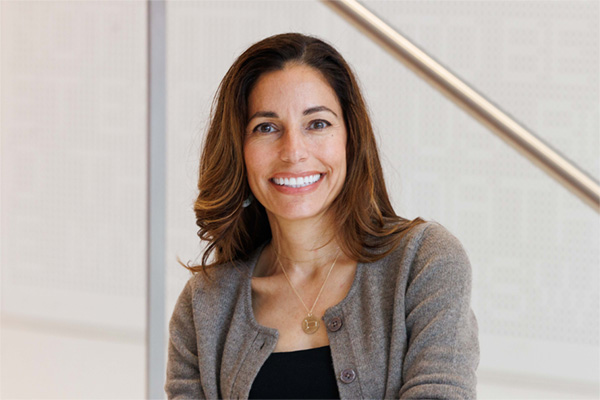
Allison Aiello
Dr. Aiello’s research explores how economic, psychological, and biological factors shape healthy longevity, cognitive function, and the development of Alzheimer’s disease.
Sponsors and support

This event and the Initiative in Social Genomics are hosted by the Robert M. La Follette School of Public Affairs.
Co-sponsor
National Institute on Aging
Funding for this conference was made possible, in part, by 5R13 AG066268-03 from the National Institute on Aging. The views expressed in written conference materials, publications, and presentations do not necessarily reflect the official policies of the Department of Health and Human Services; nor does mention by trade names, commercial practices, or organizations imply endorsement by the U.S. Government.
Contact
Mindy Walker
mindy.walker@wisc.edu